

Sara Bareilles - King of Anything
"King of Anything" is a song by Sara Bareilles from her 2010 album "Kaleidoscope Heart." Released as a single, it became one of her signature songs and showcases her signature blend of pop and soul. The song was both a commercial success and critically acclaimed, reaching the top of the charts in various countries. The lyrics convey a strong message about self-assertion and the importance of personal agency. It reflects Bareilles' experiences and frustrations with being told what to do or how to feel, resonating with many listeners who appreciate its empowering message. The song's upbeat tempo, catchy melody, and thoughtful lyrics helped it gain popularity, and it has since been performed on various platforms, including award shows and television. Sara Bareilles, known for her songwriting skills and vocal prowess, solidified her place in the music industry through hits like "King of Anything."

Sarah McLachlan - Angel
"Angel" is one of Sarah McLachlan's most iconic songs, released in 1997 as part of her album Surfacing. The song is known for its hauntingly beautiful melody and poignant lyrics. It was written by McLachlan and is often interpreted as a reflection on loss, comfort, and the desire for peace. It has been widely praised for its emotional depth and has been used in various films, TV shows, and commercials, adding to its status as a timeless ballad.
The song also gained additional recognition after being featured in commercials for the ASPCA (American Society for the Prevention of Cruelty to Animals), where its gentle tone and emotional resonance helped raise awareness for animal welfare. The song's themes of hope and solace continue to resonate with listeners around the world.

Sinead O'Connor - The Last Day of Our Acquaintance
“The Last Day of Our Acquaintance” is a song by Irish singer-songwriter Sinéad O'Connor. It was released in 1990 as part of her second studio album, “I Do Not Want What I Haven't Got.” The song is known for its raw emotion and powerful lyrics, exploring themes of heartbreak, betrayal, and the end of a relationship. O'Connor's haunting vocals and the song's intense instrumentation contribute to its impact, making it one of her most memorable and enduring tracks.
This live version is not the most watched on YouTube, but it is certainly one of the best, if not the best, of her performances of The Last Day of Our Acquaintance.

Sister Rosetta Tharpe – Didn’t It Rain (Children)
"Didn't It Rain (Children)" is one of Sister Rosetta Tharpe's most celebrated songs, deeply rooted in the gospel tradition. A concert, in the rain, was recorded by Granada Television at the disused railway station at Wilbraham Road, Manchester, in May 1964. They had dressed the disused station up to resemble what they imagined the "deep South" would look like. Then the typical Mancunian weather drenched it. Sister Rosetta made the call to change the set list at the last minute and perform this as the opening number. The band performed on one platform while the audience was seated on the opposite platform. The song captures a sense of spirituality, reflecting on the themes of divine intervention and the feeling of being uplifted through faith during challenging times. Tharpe's energetic performance style combined with her remarkable guitar skills helped to bridge the gap between gospel and popular music, paving the way for future artists across various genres. Originally popularized in the 1930s, the song features a lively tempo and infectious rhythm, showcasing Tharpe's unique ability to infuse gospel music with the energy of blues and rock. Her influence can be seen in many artists who followed, and she is often credited with helping to lay the groundwork for rock and roll. Tharpe's contribution to music history extends beyond just "Didn't It Rain;" she was a trailblazer for female musicians, particularly in a time when the music industry was dominated by men. Her legacy continues to inspire musicians today, and her work is celebrated for its emotional depth and cultural significance.
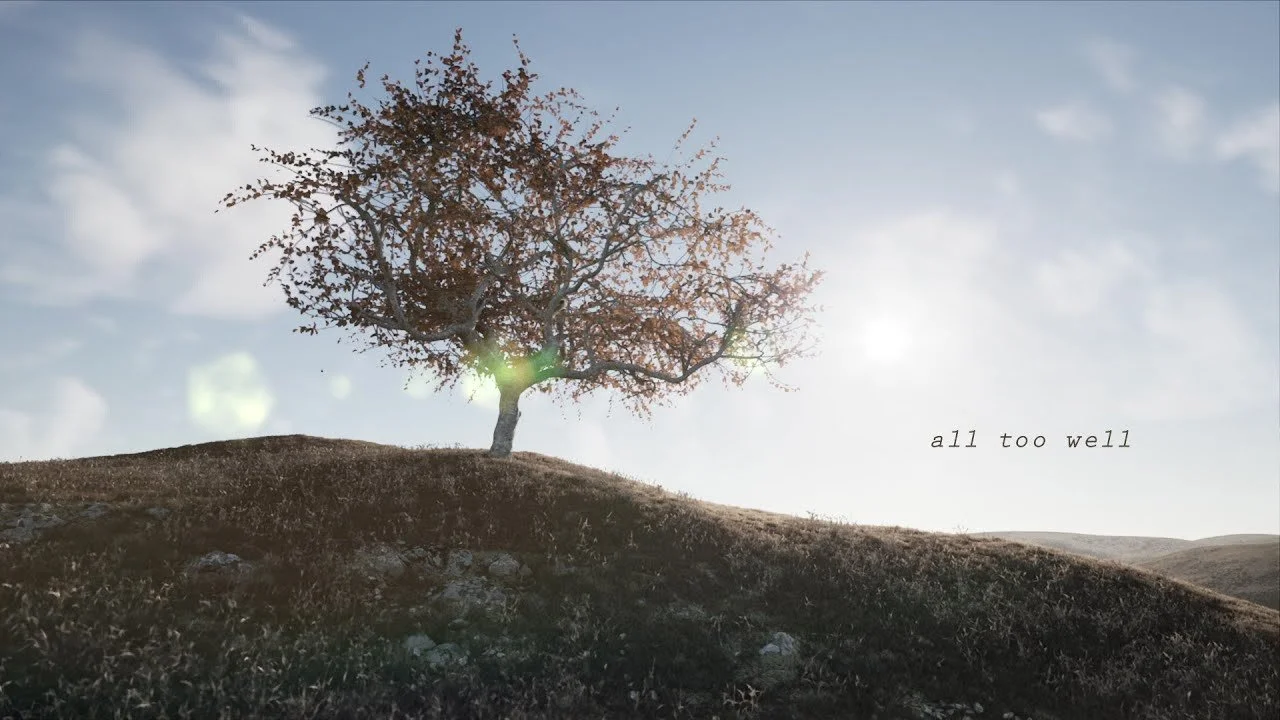
Taylor Swift - All Too Well (Taylor's Version) (Lyric Video)
The history of "All Too Well" dates back to its original release on Taylor Swift's 2012 album, "Red." The song was co-written by Swift and produced by Nathan Chapman and Dan Wilson. Since its debut, it has been praised for its storytelling and emotional depth, becoming a fan favorite. In November 2021, Taylor released a re-recorded version of "Red" as part of her project to reclaim her music catalog. This re-release included an extended ten-minute version of "All Too Well," which provided more details and context about the relationship that inspired the song. The extended version garnered critical acclaim and broke several streaming records upon its release. The song is widely believed to be about Swift's relationship with actor Jake Gyllenhaal, which added to its intrigue and speculation among fans. "All Too Well" has solidified its place as one of her signature tracks, showcasing her talent for songwriting and storytelling.

The Bangles - Hazy Shade of Winter
"Hazy Shade of Winter" is a song originally by Simon & Garfunkel, released in 1966. It was later famously covered by The Bangles in 1987, which brought the track a new wave of popularity.
The Bangles' version of "Hazy Shade of Winter" was featured in the soundtrack of the 1987 film Less Than Zero and became a big hit. Their rendition added a punchier, more energetic sound with jangly guitars and vibrant vocals, distinct from the original folk-style of Simon & Garfunkel.
The song's lyrics explore themes of changing seasons, the passage of time, and a sense of melancholy, making it a reflection on life's fleeting nature. The chorus, "Look around, leaves are brown," invokes the feeling of winter's arrival and the metaphorical coldness of life during difficult times.

The Chicks - Not Ready To Make Nice
“Not Ready to Make Nice” is a song by the American country music group The Chicks (formerly known as Dixie Chicks). It was released in 2006 as the lead single from their album Taking the Long Way. The song was written by the members of The Chicks - Natalie Maines, Emily Robison, and Martie Maguire - along with Dan Wilson.
“Not Ready to Make Nice” addresses the backlash and controversy the group faced after Natalie Maines made critical comments about President George W. Bush during a concert in 2003. The song expresses defiance and determination in the face of criticism and adversity. The lyrics reflect the group's refusal to back down or apologize for expressing their beliefs.
The song received critical acclaim for its powerful lyrics and emotional delivery. It won several awards, including three Grammy Awards in 2007 - Song of the Year, Record of the Year, and Best Country Performance by a Duo or Group with Vocal. “Not Ready to Make Nice” became one of The Chicks' signature songs and remains a powerful anthem of resilience and standing up for one's beliefs.

The Interrupters - Bad Guy
The Interrupters’ cover of Billie Eilish’s "Bad Guy" offers a fresh and energetic take on the original, infusing it with their signature ska-punk style. While Billie Eilish’s version is minimalistic and moody, The Interrupters transform the track into an upbeat, high-energy anthem. The brass section, including trumpets and trombones, adds a distinct ska flavor, while the fast-paced guitar riffs and driving drums give the song a punk edge. Aimee Interrupter’s vocal performance is another key highlight, bringing a more forceful and rebellious tone compared to Billie’s soft-spoken delivery. The rhythm section adds to the song’s new energy, with syncopated guitar strumming and lively drumming that make it feel like a raucous live show. By speeding up the tempo and layering in classic ska instrumentation, The Interrupters create a version of "Bad Guy" that feels like a danceable punk anthem rather than a laid-back pop song. Their cover highlights how a band can take a hit from another genre and completely reimagine it while maintaining the essence of the original. It’s a fun, dynamic reinterpretation of the song, perfect for fans of both Billie Eilish and ska-punk music.
About The Interrupters
The Interrupters are a ska-punk band formed in 2011 in Los Angeles, California. Known for their energetic sound that blends elements of ska, punk, and reggae, the band has become one of the leading acts in the modern ska-punk scene. Their music often features catchy melodies, infectious rhythms, and socially conscious lyrics, with a focus on themes of empowerment, resistance, and personal struggles.
The group is fronted by Aimee Interrupter, whose powerful and distinctive vocals have become a defining element of the band’s sound. She is backed by her brother, Kevin Bivona (guitar), Justin Bivona (bass), and Jesse Bivona (drums). The band’s style combines the upbeat, horn-driven elements of traditional ska with the fast-paced, rebellious energy of punk rock, creating a sound that appeals to fans of both genres.
The Interrupters gained wider recognition with their self-titled debut album in 2014, and continued to build momentum with subsequent releases like Say It Out Loud (2016) and Fight the Good Fight (2018). Their ability to blend old-school ska influences with modern punk sensibilities has earned them a dedicated fanbase and praise from both ska and punk communities.
In addition to their original music, The Interrupters are known for their high-energy live performances, often bringing their music to life with an infectious stage presence. Their versatility, catchy hooks, and distinctive sound have made them a standout band in the contemporary ska-punk scene.

Tina Turner - I Don't Wanna Fight
"I Don't Wanna Fight" is a soulful pop ballad by Tina Turner, released in 1993 as part of the soundtrack for the biographical film What's Love Got to Do with It. Written by Lulu, Billy Lawrie, and Steve DuBerry, the song captures the emotional toll of a strained relationship and the longing for peace rather than continued conflict. With its smooth melody and powerful vocal delivery, the track became one of Turner’s notable later-career hits, resonating with fans worldwide. It peaked in the top 10 on charts in both the U.S. and the UK, further cementing her legacy as a powerhouse performer capable of conveying deep emotion and resilience through music.


Tracy Chapman - Talkin' Bout A Revolution
"Talkin' Bout a Revolution" is one of Tracy Chapman's most iconic songs, released on her self-titled debut album in 1988. The song portrays the struggles faced by individuals in society, particularly focusing on economic hardship and the desire for a better future.
The opening lines set a reflective tone, illustrating the feeling of being overlooked and the longing for change. As the song progresses, it shifts to a more hopeful message, emphasizing that a revolution can start with ordinary people who are determined to fight for their rights.
Chapman's soulful voice and poignant lyrics invite listeners to recognize their power to enact change within their communities. The recurring refrain reinforces the importance of solidarity and collective action, reminding us that while the journey may be challenging, hope and resilience can lead to a brighter future.
The song has become a timeless anthem, resonating with movements for social justice and equality throughout the years. Its themes remain relevant, motivating listeners to continue pushing for progress in their own lives and in society as a whole.
